If you’re shipping cargo through Singapore, you’ve likely noticed your air freight bills climbing with no clear explanation from carriers. Fuel surcharges, capacity constraints, and hub-specific vulnerabilities are quietly reshaping what you pay—and most shippers don’t see the full picture until margins tighten. Understanding exactly where these costs originate changes how you negotiate, consolidate, and plan. The breakdown ahead may shift how you approach your next shipment entirely.
The Real Reasons Singapore Air Freight Rates Keep Climbing
While global supply chain disruptions grab headlines, Singapore’s air freight rate increases stem from a more complex set of structural and operational factors. You’re dealing with compounding pressures: rising fuel surcharges, constrained cargo capacity, and increased demand for time-sensitive shipments. Understanding these dynamics helps you make smarter decisions when selecting an air freight service and negotiating contracts before costs escalate further.
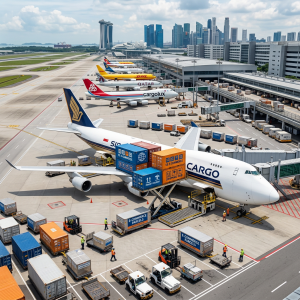
How Fuel Surcharges and Capacity Shortages Are Inflating Your Air Freight Bills
Fuel surcharges alone can account for 20–40% of your total air freight bill, and they’re recalculated weekly based on jet fuel price indices—meaning your costs can shift dramatically between booking and shipment. Capacity shortages compound this further—Singapore’s Changi Airport operates near full belly-hold utilization, pushing carriers to prioritize premium-paying shippers, which drives spot rates 15–25% above contracted pricing during peak demand cycles.
Why Singapore Shippers Are Absorbing the Highest Global Trade Disruption Costs
Beyond fuel surcharges and capacity constraints, Singapore shippers face a compounding burden that’s structural rather than cyclical: their geographic position as a transshipment hub makes them disproportionately exposed to every major global trade disruption. When Red Sea rerouting, port congestion, or geopolitical shocks ripple through global networks, Singapore absorbs cascading delays and rate premiums before cargo even reaches your final destination.
Proven Ways to Reduce Air Freight Costs Without Slowing Your Supply Chain
Rate pressure is real, but Singapore shippers have measurable levers to pull without accepting slower delivery windows as the trade-off. Consolidate shipments to reduce cost-per-kg, negotiate volume commitments for rate locks, and optimize packaging density to maximize chargeable weight efficiency. Shifting non-urgent cargo to off-peak departure slots cuts surcharges by 8–15%. Each lever compounds—executed together, they meaningfully offset current rate hikes.